Key Summary:
- Swallowing quality of life declines significantly during cancer treatment.
- Advanced tumor stage and multimodal therapy increase dysphagia risk.
- Early identification helps target patients needing intensive follow-up.
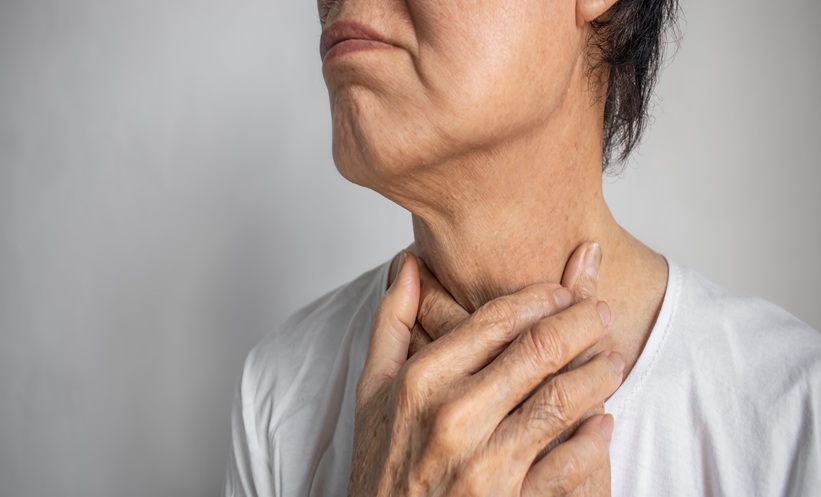
DYSPHAGIA impacts many head and neck cancer survivors, requiring clinicians to monitor long-term swallowing function closely. Navigating modern oncological care involves balancing cancer eradication against significant functional complications that profoundly affect survivorship. A recent prospective longitudinal study evaluated patient-reported swallowing outcomes from diagnosis through 12 months post-treatment to identify key clinical predictors of persistent difficulties. Researchers assessed 445 patients receiving curatively intended therapies across multiple tumor locations using standardized swallowing inventories.
The clinical investigation demonstrated that swallowing-related quality of life deteriorates substantially during primary oncological interventions, reaching its lowest point at three months post-treatment before showing gradual recovery. While overall prevalence rates of moderate-to-severe swallowing impairment decreased to 12% by 12 months, specific patient subgroups experienced disproportionate persistent morbidity. Individuals presenting with cervical carcinoma of unknown primary, advanced tumor stages, or those managed with combined surgery and chemoradiotherapy exhibited markedly poorer functional outcomes. Furthermore, pre-treatment sick leave and recent smoking cessation emerged as notable univariable indicators associated with heightened vulnerability to chronic swallowing disorders. Additional analyses highlighted that treatment composition significantly influences recovery trajectories, distinguishing less invasive surgical approaches from aggressive multimodality regimens.
These critical insights emphasize that post-treatment swallowing difficulties are intricately linked to baseline disease burden and therapeutic intensity. Because patient-perceived functional impairment frequently diverges from objective physiological assessments, incorporating validated patient-reported outcome measures into routine clinical workflows is essential. Identifying vulnerable individuals early enables multidisciplinary healthcare teams to deliver timely rehabilitative support, mitigating chronic morbidity and enhancing overall survivorship quality. Recognizing these evolving patterns empowers clinicians to tailor rigorous surveillance protocols for high-risk head and neck cancer survivors effectively across diverse clinical settings, ultimately improving long-term care management, supportive interventions, and patient outcomes.
Reference
Johansson-Malmeling C et al. Self-reported dysphagia in head and neck cancer survivors from diagnosis to twelve months post treatment and predictors for moderate to severe long-term dysphagia. Head Neck. 2026;doi:10.1002/hed.70541.
Featured Image: ZAY WIN HTAI on Adobe Stock
Each article is made available under the terms of the Creative Commons Attribution-Non Commercial 4.0 License.