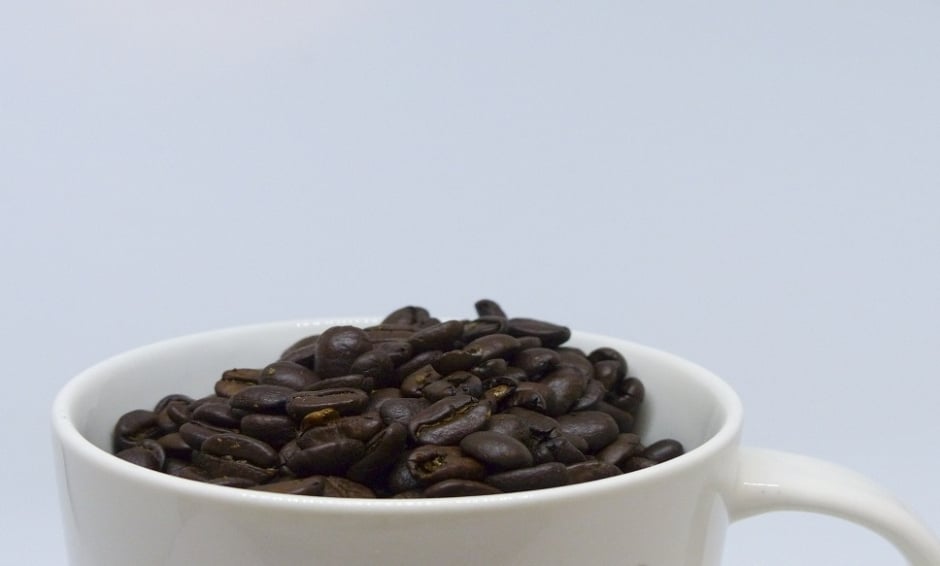
COFFEE consumption was associated with a lower risk of atrial fibrillation (AF) in a large UK Biobank study, with the strongest association seen among adults drinking 2–3 cups daily.
The prospective analysis of almost half a million participants also identified a smaller association for tea at the same intake level. However, the observational findings do not establish that either beverage prevents AF.
Long-Term UK Biobank Data
Researchers included 495,269 adults without AF at baseline, with an average age of approximately 57 years. Participants reported their usual daily coffee and tea consumption through a questionnaire, and intake was grouped as none, 0.5–1, 2–3, or at least 4 cups daily.
During approximately 13 years of follow-up, 37,261 participants developed AF. The investigators used statistical models to account for factors including age, sex, smoking, alcohol consumption, body mass index, physical activity and socioeconomic circumstances.
Coffee intake included decaffeinated varieties, meaning that the study assessed coffee consumption rather than measuring caffeine exposure directly.
Strongest Association at Two to Three Cups
Compared with non-drinkers, participants consuming 0.5–1 cups of coffee daily had a 7% lower adjusted hazard of AF. The corresponding reductions were 11% for 2–3 cups and 9% for at least 4 cups daily.
For the 2–3 cup group, the adjusted hazard ratio was 0.89, with a 95% confidence interval of 0.86–0.92. The relationship was non-linear, suggesting that greater consumption was not consistently associated with progressively lower risk.
Tea showed a more modest pattern. Drinking 2–3 cups daily was associated with a 5% lower adjusted hazard of AF, while the other intake categories did not show statistically significant associations in the main analysis.
The overall findings remained similar in sensitivity analyses, including after excluding early AF diagnoses and participants with cardiovascular disease at baseline.
Association Does Not Establish Prevention
The results add to evidence examining whether habitual coffee and tea intake is linked to heart rhythm disorders. Nevertheless, several limitations affect their interpretation.
Beverage intake was self-reported at baseline, so the analysis could not fully capture changes in drinking habits over time. Most participants were White, which may limit how widely the findings apply. Residual confounding also remains possible despite adjustment for multiple factors.
The authors call for studies in more ethnically diverse populations and further investigation of possible biological mechanisms. For clinical interpretation, the findings describe an association with future AF risk; they do not establish an optimal intake or justify prescribing coffee or tea to prevent the condition.
Reference
Liang R et al. Association of coffee and tea consumption with the risk of atrial fibrillation: a prospective cohort study from the UK Biobank. Food & Nutrition Research. 2026;70:14612. DOI:10.29219/fnr.v70.14612.